
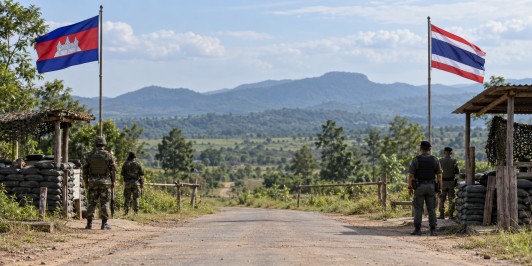
The ceasefire between Cambodia and Thailand is aimed at stabilizing the lives of over 20,000 displaced civilians, yet it remains fraught with tension over territorial disputes. Cambodia has insisted that the ceasefire should not be interpreted as establishing a new international boundary or determining the ownership of contested areas.
Cambodian Information Minister Neth Pheaktra emphasized that both nations had agreed to maintain their existing military positions when the ceasefire was enacted on December 27. The agreement, he argued, should not influence the ultimate determination of the international border. However, Cambodia accuses Thai forces of fortifying positions in disputed zones by installing barbed wire, digging trenches, and building roads and military facilities, actions that Cambodia claims could create new territorial realities.
The ceasefire, which came into effect after a joint agreement in December, was meant to facilitate the safe return of civilians displaced by the conflict. Pheaktra noted that the success of the ceasefire should be measured by the return of these civilians, highlighting the humanitarian aspect of the agreement.
Meanwhile, Thailand has presented its narrative to foreign delegates, ASEAN observers, and international journalists, showcasing areas near the border, including the O’Smach casino area and Choam crossing. Thailand claims that these areas are subject to cross-border criminal activities and has utilized casino buildings as part of its claims. Cambodia, however, disputes Thailand’s control of these regions, asserting that the territory belongs to Cambodia.
The ongoing dispute underscores the fragile nature of the ceasefire and the complex geopolitical dynamics at play. Both countries remain at odds over the interpretation of the ceasefire agreement, with Cambodia particularly concerned about any actions that might alter the status quo or influence future border determinations.