
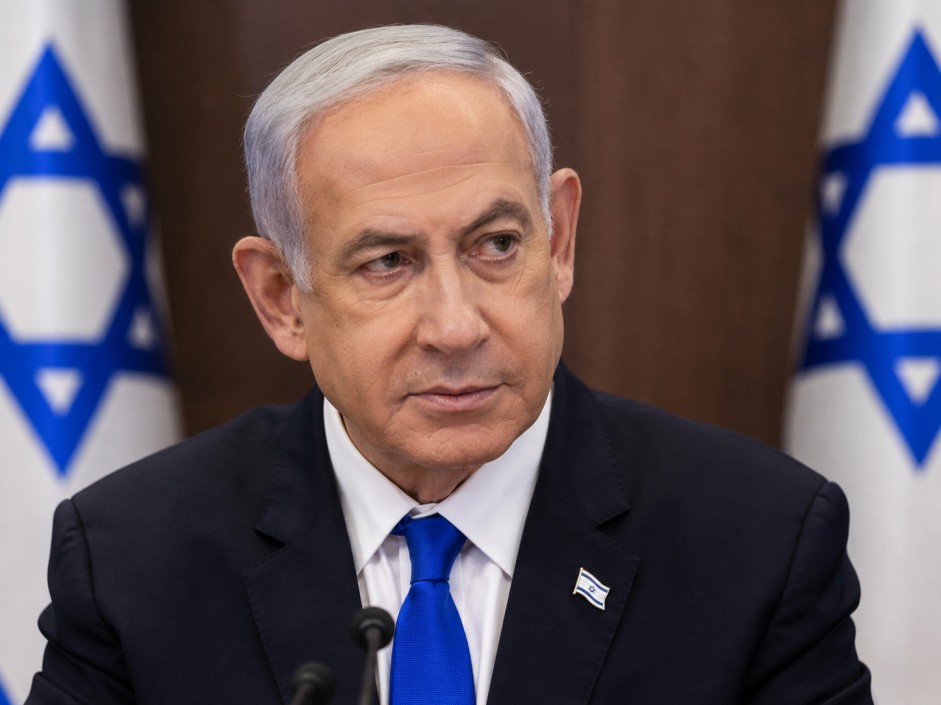
Israeli Prime Minister Benjamin Netanyahu has issued a stern warning to Iran, declaring that any future assaults on Israel would be met with a much more forceful military response. Speaking at a gathering in Dimona, Netanyahu emphasized that Israel is prepared for every potential scenario and vowed that the nation would continue to take decisive actions against any threats to its security.
This warning coincides with escalating tensions in the Middle East, marked by renewed hostilities between the United States and Iran. Iran has reportedly launched attacks targeting several of America’s allies in the region, and explosions have been reported in various locations within Iran itself. These developments have further strained the already volatile geopolitical climate.
In response to these tensions, the United States has announced a shift in its policy regarding the strategic Strait of Hormuz. President Donald Trump has decided to abandon the proposed transit fee for the waterway, opting instead to focus on future trade and investment agreements with Gulf countries. This move reflects a strategic pivot in U.S. policy as it seeks to navigate the complexities of the region’s diplomatic landscape.
The European Union Aviation Safety Agency (EASA) has also responded to the heightening regional security risks by updating its guidance to airlines. The agency has advised carriers to avoid the airspace over several Gulf countries, as tensions continue to pose threats to aviation safety. Meanwhile, diplomatic efforts are underway, with regional mediators striving to alleviate tensions and rekindle negotiations.