
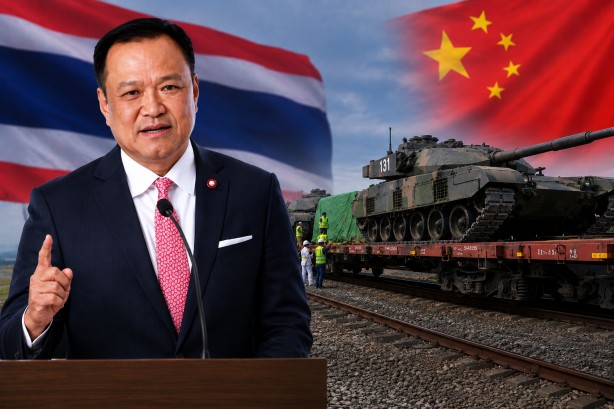
In a recent diplomatic conversation, Thailand has raised concerns with China over its delivery of military tanks to Cambodia, cautioning that the move could potentially destabilize the already fragile ceasefire between Thailand and Cambodia. This dialogue took place during a meeting last week between Thai Prime Minister Anutin Charnvirakul and Chinese President Xi Jinping, as confirmed by the Thai foreign ministry. Officials noted that the timing and perception of this military shipment might complicate the already tense relations between the two neighboring countries, despite several ceasefire agreements in place.
The delivery consisted of 39 T-59D battle tanks manufactured in China, transferred to Cambodia under an existing military cooperation pact. Thai authorities emphasized that there is no evidence suggesting these tanks have been positioned near the border. The relationship between Thailand and Cambodia has been strained since their violent border clashes last year, which were fueled by disputes over land and maritime boundaries, stemming from colonial-era treaties and maps that have long challenged diplomatic talks.
China, on its part, has asserted that its defense collaboration with both Thailand and Cambodia is standard practice and is not intended to threaten any third party. Earlier in the year, China also supplied Cambodia with a Type 056 guided-missile corvette. This military support aligns with China’s stance of maintaining a neutral position, something that Thai officials have appreciated. Thailand has welcomed China’s efforts to assist in reducing tensions, while reiterating that the resolution of disputes should primarily come through direct negotiations between Thailand and Cambodia.
In addition to addressing the delicate border issues, the discussions between Thailand and China led to an agreement on establishing a new dialogue framework. This initiative will involve both countries’ foreign and defense ministers, aiming to facilitate more structured discussions. The initial round of talks under this new mechanism is expected to concentrate on addressing and mitigating cross-border scam operations, highlighting a commitment from both nations to enhance regional security cooperation.