
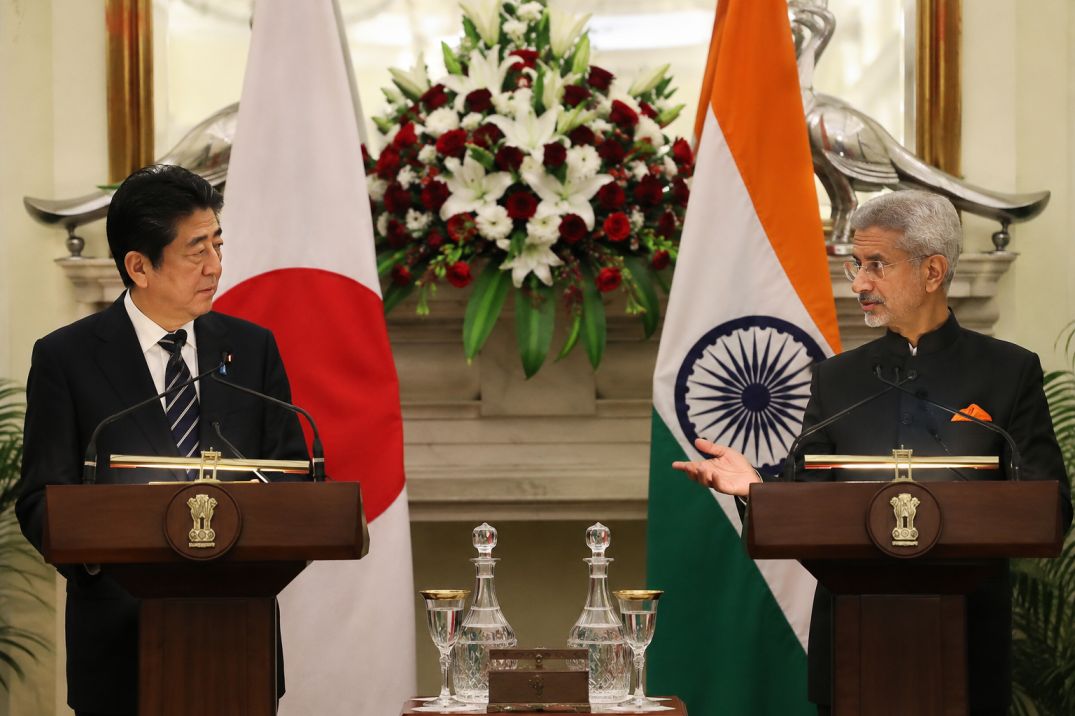
Prime Minister Narendra Modi of India and Japanese Prime Minister Sanae Takaichi have taken a strong stance against terrorism, urging for intensified international measures against militant groups based in Pakistan, such as Lashkar-e-Taiba (LeT) and Jaish-e-Mohammad (JeM). This call to action emerged during the 16th India-Japan Annual Summit held in New Delhi, where both leaders expressed a unified resolve to tackle terrorism in all its manifestations. They emphasized the necessity of holding those accountable who perpetrate terrorist acts.
The joint statement released by the leaders condemned the terrorist attack in Pahalgam last year and referenced the United Nations Security Council Monitoring Team’s report from July 29, 2025, which highlighted The Resistance Front (TRF). They also strongly criticized cross-border terrorism stemming from Pakistan and advocated for collective global efforts against all terrorist entities designated by the United Nations, including Al Qaeda, ISIS/Daesh, Lashkar-e-Taiba, Jaish-e-Mohammad, and their affiliates.
Furthermore, the prime ministers addressed the Red Fort blast in New Delhi from November 2025, calling for swift justice against those involved in planning, funding, and executing the attack. Their statement underscored the critical need for sustained international collaboration to combat violent extremism and bolster global security measures against terrorist networks.
In addition to security concerns, the summit concentrated on enhancing the strategic and economic ties between India and Japan. Prime Minister Modi warmly welcomed Takaichi on her inaugural official visit to India as Japan’s prime minister, describing her as a visionary leader and affectionately calling her his “younger sister.” He also noted the deep historical and cultural connections between the two nations, highlighting Takaichi’s roots in Nara Prefecture, a region with significant links to the shared Buddhist heritage of both countries.
Prime Minister Takaichi reciprocated Modi’s sentiments, affirming during her address that their discussions underscored a mutual dedication to strengthening the bilateral relationship “as brother and sister.” Her visit to India, which took place from July 1 to 3 at Modi’s invitation, culminated in several new initiatives aimed at bolstering cooperation in strategic, economic, and cultural domains. The summit reaffirmed the enduring partnership between India and Japan and their joint focus on regional stability, security, and sustainable development.