
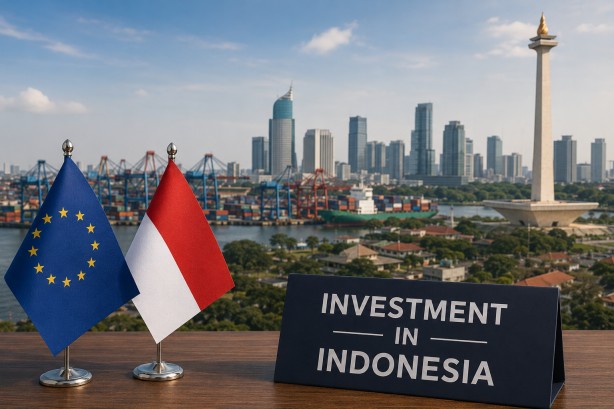
As the European Union and Indonesia gear up for the implementation of their comprehensive economic partnership agreement, Denis Chaibi, the EU Ambassador to Indonesia and Brunei Darussalam, has highlighted significant hurdles facing European investors in Indonesia. He pointed out that regulatory uncertainty and the lack of cohesive coordination across various government ministries pose major challenges. These issues, Chaibi suggested, need to be addressed to solidify investor confidence and ensure a smoother path forward for economic collaboration.
Regulatory predictability stands as a crucial element in this equation. Chaibi emphasized that clearer regulations would not only attract but also retain European investments in the Indonesian market. With the upcoming partnership agreement promising to unlock new avenues for trade and investment, ensuring a stable regulatory environment becomes increasingly important. The potential benefits of this deal could be substantial, but the ability to navigate Indonesia’s regulatory landscape will be pivotal for European investors.
Improved coordination between government ministries is another area that requires attention, according to Chaibi. The fragmentation in governmental processes can lead to inconsistencies that deter investment. By streamlining communication and policy implementation across different ministries, Indonesia could present a more unified front to potential investors, thereby enhancing its appeal as a business destination.
The anticipated economic partnership agreement between the EU and Indonesia aims to foster deeper economic ties and create a wealth of opportunities for both sides. However, as Chaibi’s observations suggest, the success of this agreement will largely depend on Indonesia’s ability to address these regulatory and coordination challenges. By focusing on these aspects, Indonesia can better position itself to benefit from increased European investment, driving growth and development in the region.