
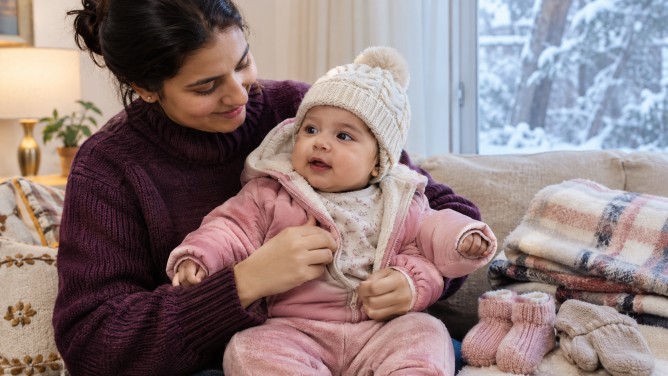
Winter poses unique challenges for parents of babies and toddlers, as cooler temperatures and changing weather conditions increase the risk of seasonal infections. Young children are particularly vulnerable due to their developing bodies, making it crucial for parents to take extra precautions to ensure their well-being during the colder months.
One of the key strategies for keeping babies warm and comfortable is dressing them in layers. Opt for soft, breathable fabrics and dress your child in multiple light layers that can be adjusted according to the temperature. A practical rule of thumb is to dress babies in one additional layer compared to what an adult would comfortably wear in the same environment. It’s important to monitor your child’s temperature by feeling their chest or back to ensure they are neither too cold nor overheated.
Maintaining good hygiene is another essential step in preventing infections. As children frequently come into contact with germs through toys and shared surfaces, regular handwashing becomes vital. Parents should encourage handwashing before meals, after using the toilet, and after outdoor play. Cleaning toys and household surfaces regularly can also help reduce the spread of infections.
Limiting exposure to individuals with cold or flu symptoms is crucial, as respiratory infections are more common during colder months. Parents should try to minimize close contact between their babies and individuals showing symptoms like coughing or sneezing. Encouraging family members and visitors to wash their hands before holding the baby and avoiding the sharing of eating utensils can further reduce infection risks.
Vaccinations play an important role in protecting children against preventable diseases. Parents should adhere to the recommended immunization schedule and ensure all routine doses and boosters are up to date. Discussing any missed doses or additional recommended vaccines with a pediatrician during regular visits is advisable.
In addition to these essential practices, maintaining a comfortable indoor environment, ensuring adequate fluid intake, and providing nutritious meals are also important for children’s health and comfort during winter. Encouraging indoor activities to keep children engaged when outdoor play is limited can also contribute to their overall well-being.
By focusing on consistent health and hygiene practices, parents can help reduce the risk of common seasonal health issues for their babies and toddlers. With proper care and attention, families can ensure their little ones stay safe and healthy throughout the winter months.