
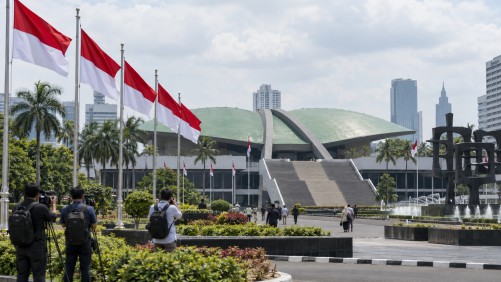
Indonesia’s potential changes to presidential nomination rules could reshape the political landscape ahead of the 2029 general election. Lawmakers are contemplating whether to require candidates to secure backing from at least two parliamentary factions, a move that could hinder smaller parties without parliamentary seats from fielding candidates.
This discussion arises after a 2025 Constitutional Court ruling invalidated the previous nomination threshold, which mandated that a party or coalition needed 20% of parliamentary seats or 25% of the national vote in the last legislative election to nominate a presidential candidate. The proposed new rule aims to streamline the number of presidential tickets, but critics argue it may disproportionately affect smaller parties and independent candidates.
Surya Paloh, chairman of the NasDem Party, supports the proposed requirement for dual parliamentary backing. However, some political analysts and figures express concern that such a condition could limit the diversity of candidates in the presidential race. Indonesia’s current parliamentary composition features eight parties following the 2024 legislative elections, and the new rule could consolidate power among them.
The debate extends to the parliamentary threshold, with ruling coalition members suggesting an increase from 4% to 5% for parties to secure seats in Parliament. This change is under consideration after the Constitutional Court recommended a review of the threshold before the 2029 election.
As discussions continue, the final decision on these proposed changes remains pending, with potential implications for political representation and competition in Indonesia’s future elections.