
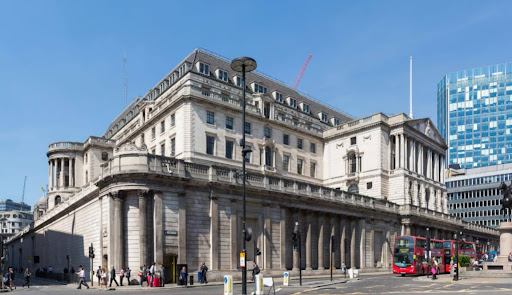
The Bank of England is navigating what some analysts have described as the hardest policy environment since the energy price crisis of 2022, holding rates at 3.75% on Thursday and warning that the Iran war’s energy market impact could push inflation above 3% and require rate hikes even as the domestic economy slows. The monetary policy committee voted unanimously to hold, but the simultaneous pressures of external inflation risk and domestic economic weakness bear a troubling resemblance to the stagflationary conditions of three years ago. Officials described the conflict as a significant new shock to an economy still recovering from previous disruptions.
The comparison to 2022 is instructive. That year, an energy price shock triggered by the Russia-Ukraine conflict drove UK inflation above 10% and forced the Bank into an aggressive tightening cycle that pushed rates from near zero to 5.25%. The current shock, while so far less severe, originates from a similar geopolitical source — conflict disrupting energy supply — and threatens a similar inflationary transmission through oil and gas prices.
Governor Andrew Bailey was careful not to draw explicit parallels with 2022 in his public communications, focusing instead on the specific circumstances of the current situation. He warned that rising petrol prices and potential energy bill increases represented real threats to UK households and said the Bank stood ready to act. His approach was one of proportionate caution rather than emergency response.
Financial markets moved to price in the difficult policy environment. UK gilt yields rose, the FTSE 100 fell, and the pound strengthened against the dollar as traders adjusted to the prospect of tighter monetary policy. Analysts noted that the current situation was less severe than 2022 but warned that an escalation of the conflict could change that assessment rapidly.
For UK households, the memory of 2022’s energy shock makes the current warnings particularly resonant. The period of extremely high energy bills and rising mortgage costs that followed that shock was one of the most financially difficult in living memory for many families. The prospect of another episode, even if less severe, arrives at a time when household balance sheets are still recovering from that previous experience.